
If you’re reading this, you’re probably in one of two situations.
Maybe you’re planning to put in a retaining wall and you’re trying to figure out which material makes the most sense, how long it’ll actually last, and whether it’s worth the investment.
Or maybe you’ve already got a wall, and something’s starting to look off. It’s leaning a little. There’s a crack you didn’t notice before. Water’s pooling somewhere it shouldn’t be. And now you’re wondering whether you’re looking at a simple fix or a full replacement.
Either way, you’re in the right place. We’re going to walk through both: how long retaining walls actually last, what makes them fail sooner than they should, and how to tell when it’s time to act.
So, How Long Do Retaining Walls Last?
Most retaining walls last anywhere from 20 to 50 years, sometimes more, if they were built right and the drainage behind them is doing its job.
That’s a wide range, and there’s a reason for it. A small garden wall holding back a gentle slope with good drainage is a completely different situation than a wall managing heavy clay soil, steep grades, and years of water pressure. The conditions vary a lot, and so does the lifespan.
In general, here’s how different materials stack up:
- Timber retaining walls tend to have the shortest lifespan
- Segmental block and natural stone walls usually last much longer
- Poured concrete walls can go decades when they’re properly designed and drained
But here’s the part most people don’t think about until something goes wrong: the material is only part of the story. A retaining wall lasts or fails based on what’s happening behind it, not what it looks like from the front.
The Biggest Factor Is Drainage, and Most People Don’t Think About It Until It’s Too Late
Bad drainage is what kills most retaining walls.
Water gradually builds up behind the wall after every rain. That pressure pushes against the structure constantly. If it can’t escape, you’ll eventually start seeing the wall lean, crack, bulge, or separate; sometimes faster than you’d expect.
A properly built wall isn’t just stacked block or stone. Behind that wall, there should be:
- Gravel backfill
- Drain pipe
- Proper grading
- Compacted base material
- Drainage outlets or weep holes
Without those elements, even a wall that looks solid on day one can start showing problems years before it should. That’s why the work you can’t see, the drainage, the base prep, the compaction, is often what separates a wall that lasts decades from one that needs attention in half that time. That is one reason professional retaining wall installation matters so much.
What Shortens the Life of a Retaining Wall?
A retaining wall usually doesn’t fail because of one dramatic moment. Most problems develop gradually, especially when the wall is dealing with shifting soil, moisture changes, and ongoing pressure from the slope behind it.
Drainage is usually the biggest factor, but it is not the only one.
Weak Base Preparation
If the base beneath the wall shifts or settles, the wall above it may start moving too. Even strong materials can struggle if the foundation underneath was not prepared correctly.
Improper Soil Compaction
Loose or poorly compacted soil can create uneven pressure and movement behind the wall over time.
Freeze-Thaw Cycles
Missouri winters can be rough on outdoor structures. Water expands when it freezes, which can slowly push materials apart or increase movement in the soil.
Heavy Loads Near the Wall
Parking heavy equipment or placing large structures too close to the top of the wall can increase pressure significantly.
Tree Roots
Roots may shift blocks, crack concrete, or interfere with drainage systems behind the wall.
Cheap Materials or Poor Installation
A retaining wall that was rushed or built without proper planning may not age well, even if it looked fine at first.
Retaining walls can be a little deceptive. A wall may look perfectly normal from the front while the base, soil, or drainage behind it is quietly causing problems underneath the surface.
If You’re Planning a New Retaining Wall: What to Think About Before You Build
This section is for you if you’re still in the planning stage. The decisions you make now, on material, drainage design, and base preparation, are what determine how long your wall lasts and how much trouble it gives you over the years.
Timber Retaining Walls
Timber walls have the shortest lifespan of the common options. Constant moisture and soil contact eventually lead to rot, and there’s not much you can do to stop that process indefinitely.
That doesn’t make them a bad choice across the board. For smaller landscape projects or spots where a natural look fits the property better, timber can work well. Just go in knowing they’ll need more attention over time and won’t hold up as long in consistently wet conditions.
Segmental Block Retaining Walls
These are one of the most common residential choices, and for good reason. Segmental block walls are durable, designed specifically for retaining wall applications, and they handle minor ground movement better than rigid wall systems. That flexibility matters in areas like Mid-Missouri where soil shifts seasonally.
Natural Stone Retaining Walls
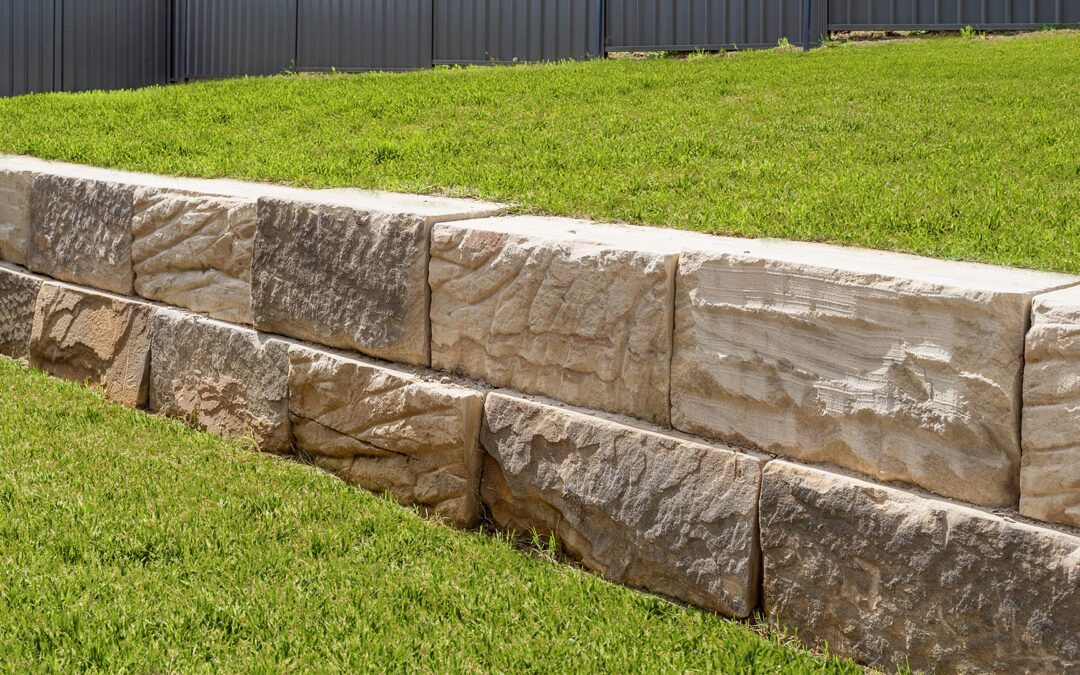
Natural stone can be extremely durable and blends into the landscape in a way that manufactured materials don’t. It’s a solid fit for wooded properties, garden areas, or homeowners who want the wall to feel like part of the yard rather than a structure sitting in it. Lifespan varies based on stone type, construction method, and how much pressure the wall is managing.
Poured Concrete Retaining Walls
Concrete is strong and well-suited for larger structural applications where you’re managing significant soil pressure. The trade-off is that concrete is rigid; if the soil or foundation shifts over time, you may eventually see cracking. That’s not a dealbreaker, but it does mean the design needs to account for site conditions upfront.
No matter which material you choose, the drainage system and base preparation behind the wall matter just as much as the material itself. A well-drained, properly built timber wall will outlast a concrete wall with poor drainage every time.
If You Already Have a Wall: Signs It May Be Wearing Out
This section is for you if you’ve got an existing wall and you’re trying to figure out where things stand. Most walls don’t fail overnight; they give you warnings first. The key is knowing what to look for before a manageable problem becomes an expensive one.
Here are the signs worth paying attention to:
- Leaning or tilting
- Bulging sections
- Cracks in concrete or mortar
- Separating blocks or stones
- Soil washing out near the base of the wall
- Water pooling behind or around the wall after rain
- Wet stains or drainage marks on the wall face
- Sections sinking or settling unevenly
- Noticeable movement after heavy storms
Small cosmetic imperfections aren’t always cause for alarm. But if you’re seeing movement, worsening drainage, or multiple issues showing up at once, it’s worth getting eyes on it sooner rather than later. In Mid-Missouri, the freeze-thaw cycles we get in winter can accelerate problems that might otherwise develop slowly.
Can You Make Your Retaining Wall Last Longer?
In most cases, yes, especially if smaller issues are addressed before they turn into bigger structural problems.
A lot of retaining wall lifespan comes down to water management. After heavy storms, it helps to pay attention to whether water is pooling near the wall or draining the way it should. Even a well-built wall can struggle over time if moisture constantly builds up behind it.
It is also smart to keep an eye on new cracks, movement, or erosion around the base of the wall. Small changes do not always mean failure is coming, but they usually do not improve on their own either.
Tree roots can also become a problem over time, especially if large root systems start pushing against the wall or interfering with drainage behind it. The same goes for placing excessive weight too close to the top edge of the wall.
This is less about creating a strict “maintenance routine” and more about paying attention before smaller issues become expensive repairs.
Repair or Replace: How Do You Know Which One You’re Looking At?
That depends on what is actually causing the problem, and that is not always obvious from the surface.
Minor settling, isolated cracking, or drainage improvements can sometimes be repaired without rebuilding the entire wall. But walls that are significantly leaning, bulging, or repeatedly struggling after storms often point to larger structural issues underneath.
In many cases, the visible problem is only part of the story. Water pressure may have been building behind the wall for years. The original drainage system may have failed, or the base preparation may not have been strong enough for the soil conditions on the property.
Sometimes the wall was simply not designed for the amount of pressure it has been dealing with over time. Other times, several smaller issues work together until the wall eventually starts showing signs of movement.
That is why it helps to evaluate the entire slope and surrounding area, not just the visible wall itself.
A Retaining Wall Should Last If It Was Built for Your Site
A retaining wall that was built correctly, with proper drainage and base preparation, can protect your property and hold up for decades. One that cut corners on the drainage or the foundation work will usually let you know; just not right away.
Whether you’re planning a new wall and want to get it right from the start, or you’ve got an existing wall that’s starting to show its age, the decisions around drainage, materials, and site conditions are what determine how the story ends.
Whether you’re planning a new wall and want to make sure it’s done right, or you’ve got an existing one that’s starting to show its age, WestCo Outdoor Services helps homeowners across Mid-Missouri find the right solution for their property.
Call us at 573-864-9378 to schedule a free consultation.