
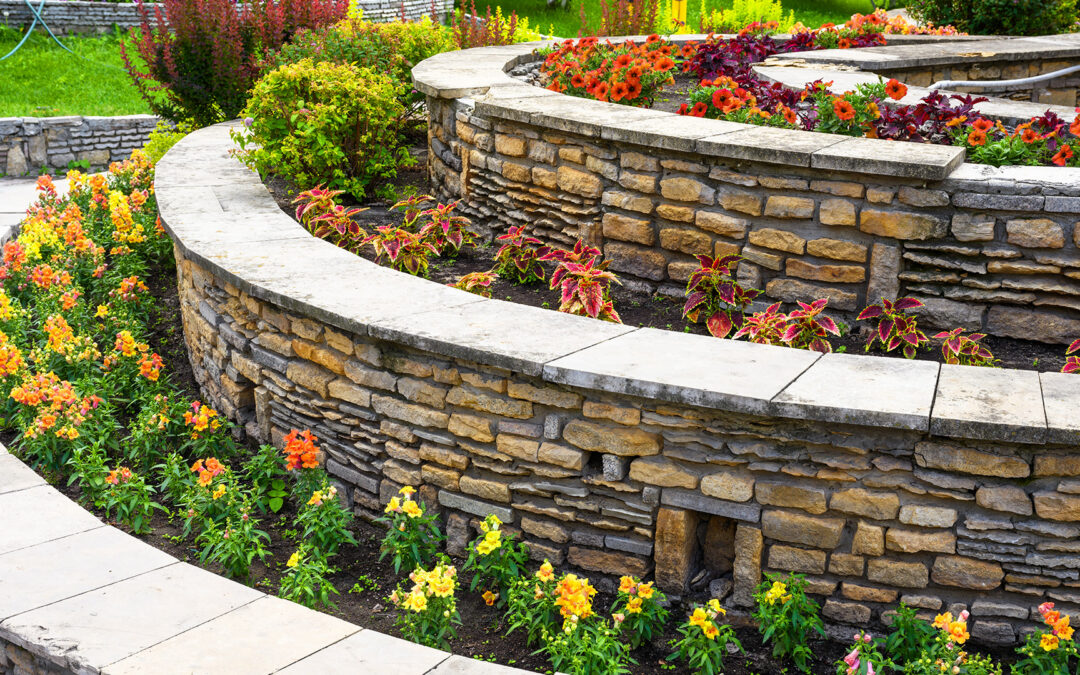
If you have a yard with a steep slope, washed-out soil, or one section that feels almost impossible to use, you may have wondered if a retaining wall would help.
That is usually where the question starts: what is a retaining wall, and do I actually need one?
A retaining wall is a structure built to hold soil in place where the ground changes elevation. In plain terms, it helps keep dirt where it belongs. But a good retaining wall does more than hold back a hillside. It can help control erosion, manage water runoff, make your yard easier to use, and improve the look of your property.
For homeowners around Jefferson City, Columbia, and the smaller communities across Mid-Missouri, retaining walls are common because our yards are not always flat and simple. Some properties have heavy slopes. Some have drainage problems. Some have outdoor areas that could be useful if the land was shaped a little better.
That is where a well-built retaining wall can make a big difference.
What Does a Retaining Wall Do?
The main job of a retaining wall is to hold back soil. When there is a slope, gravity and water are always working on that ground. Over time, soil can shift, wash away, or slide into places you do not want it.
A retaining wall gives that soil a solid stop.
But the wall is only part of the job. A properly built wall should also help deal with water. When rainwater gets trapped behind a wall, it creates pressure. If that pressure has nowhere to go, the wall can lean, crack, or fail. That is why drainage is one of the most important parts of any retaining wall project.
A retaining wall can help:
- Hold back soil on a slope
- Reduce erosion after heavy rain
- Improve drainage when built correctly
- Create flatter, more usable yard space
- Add shape and structure to the landscape
- Make patios, walkways, and planting beds easier to install
WestCo Outdoor Services builds retaining walls in Central Missouri for these kinds of real-world yard problems, not just for looks.
Signs You May Need a Retaining Wall
Not every hill needs a wall. Some slopes are fine as they are. But there are a few signs that a retaining wall may be worth looking into.
One of the biggest signs is erosion. If you notice soil washing onto your driveway, patio, sidewalk, or lower part of the yard after every heavy rain, the slope may need support. Grass and mulch can only do so much if water keeps carrying soil downhill.
Another sign is unusable space. Maybe you have a backyard that drops off too fast to enjoy. You might want a sitting area, fire pit, garden bed, or patio, but the grade makes it hard to build anything level. A retaining wall can help shape that area into something useful.
You may also need a retaining wall if water keeps pooling where it should not. This could be near the house, around a patio, at the base of a hill, or along a walkway. A wall alone does not fix every drainage problem, but when it is planned with grading and drainage in mind, it can be part of the solution.
Existing wall problems are another warning sign. If you already have a wall that is leaning, bulging, separating, or cracking, do not ignore it. Those are signs that the wall may not be handling soil pressure or water correctly.
Common Types of Retaining Walls
There are several types of retaining walls, and the right choice depends on the yard, the height of the wall, the soil, the drainage needs, and the look you want.
Segmental Block Retaining Walls
Segmental block walls are one of the most common options for residential landscapes. These are built with interlocking concrete blocks that are made for retaining wall work.
They are popular because they look clean, come in different styles, and can be built to fit many yard layouts. When installed with the right base, backfill, and drainage, they are a strong option for many Mid-Missouri homes.
Natural Stone Retaining Walls
Natural stone walls have a more rustic, natural look. They can blend well with wooded lots, garden beds, and homes where the owner wants the wall to feel like part of the landscape instead of a separate structure.
Stone can be a great choice, but it still needs proper installation. A stone wall that looks good on the outside can still fail if the base and drainage are not right.
Poured Concrete Retaining Walls
Poured concrete walls are strong and can work well in certain situations. They have a clean, solid look and may be used where strength is a major concern.
That said, poured concrete is not always the best visual fit for every backyard. For many residential landscapes, block or stone may feel warmer and more natural. The best choice depends on the property and the goal.
Tiered Retaining Walls
For steep slopes, one tall wall is not always the best answer. In some cases, tiered retaining walls make more sense.
A tiered wall uses two or more shorter walls stepped up the slope. This can reduce the load on each wall, make the space more attractive, and create areas for plants, steps, or landscape lighting. It can also make a steep yard feel less harsh and more usable.
Drainage Is Where Retaining Walls Win or Fail
Here is the part homeowners should not skip: drainage matters just as much as the wall material.
A retaining wall holds back soil, but it also has to deal with water in that soil. After a heavy Missouri rain, the ground behind the wall can get heavy. If water builds up with nowhere to go, it pushes against the wall. That pressure is one of the biggest reasons retaining walls fail.
A good retaining wall may include gravel backfill, drain pipe, weep holes, proper grading, and compacted base material. The goal is simple: move water away from the wall instead of letting it sit behind it.
This is also why the cheapest wall is not always the least expensive wall in the long run. If a wall is built without proper drainage, you may end up paying twice: once to build it and again to fix it.
Retaining Walls Can Create Better Outdoor Space
A retaining wall does not have to be only a repair project. It can also be part of a bigger outdoor upgrade.
For example, if your backyard slopes away from the house, a wall may help create a level area for custom patio construction. That can turn a hard-to-use hill into a spot for a table, grill, fire pit, or seating area.
Retaining walls can also work with steps, planting beds, lighting, and driveways or walkways to make the whole yard easier to move through. Instead of fighting the slope, the design works with it.
This is where it helps to think beyond the wall itself. The better question is not just, “Where should the wall go?” It is, “What do we want this part of the yard to become?”
Maybe you want more room for kids to play. Maybe you want a cleaner edge around your driveway. Maybe you want a patio that does not feel like it is sliding downhill. A retaining wall can be one piece of that larger plan.
Can You Build a Retaining Wall Yourself?
For a small garden wall, some homeowners may be able to handle the work themselves. If the wall is short, decorative, and not holding back much soil, it may be a manageable weekend project.
But once a wall gets taller, holds back a real slope, sits near a house, driveway, patio, or walkway, or needs drainage work, it is usually time to bring in a professional.
The hard part is not just stacking blocks. The hard part is preparing the base, compacting the soil, planning drainage, choosing the right material, and making sure the wall can handle the pressure behind it.
There may also be permit requirements depending on the height and location of the wall. This varies by project, so it is worth asking before work begins. A good contractor can help you sort through that early instead of finding out after the fact.
What to Think About Before Building a Retaining Wall
Before you build, take a step back and look at the whole area. A retaining wall should solve a problem, not create a new one.
Here are a few questions worth asking:
- What problem are we trying to fix?
- Is the main issue erosion, drainage, usable space, or appearance?
- How much elevation change does the wall need to handle?
- Where will water go after the wall is built?
- Should the wall connect to a patio, walkway, steps, or landscape bed?
- What material fits the home and the rest of the yard?
- Can equipment access the area?
- Will the wall need permits or special planning?
This is also a good time to look at the full landscape. If the wall is part of a larger yard update, WestCo’s landscaping services in Central Missouri can help tie the hardscaping, drainage, planting areas, and outdoor living space together.
A Good Retaining Wall Starts With a Good Plan
A retaining wall is not just a stack of block or stone. It is a structure that has to deal with soil, water, weight, weather, and time.
When it is built right, it can protect your yard, make your property easier to use, and improve the way your outdoor space looks and feels. When it is built wrong, it can lean, crack, trap water, or fail long before it should.
If you are looking at a steep slope, washed-out soil, or a backyard that could be more useful with the right layout, it may be time to talk through your options.
WestCo Outdoor Services helps homeowners in Jefferson City, Columbia, and surrounding Mid-Missouri communities plan and build retaining walls that fit the property and the purpose.
Call us at 573-864-9378 to schedule a free consultation.