
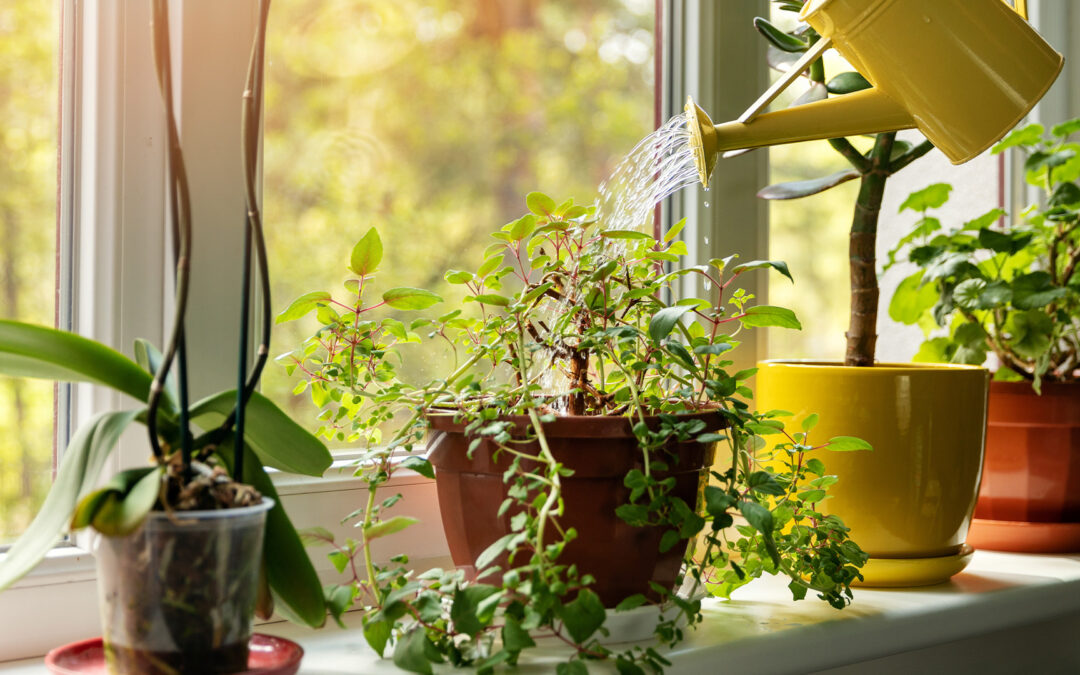
The signs of overwatering plants can be confusing because some of them look a lot like underwatering or other common plant problems. That is why we will focus on diagnosis first. Before making changes, it helps to understand what your plant may be showing you and what those symptoms often mean.
Common signs of overwatering plants include yellowing leaves, wilting, soft or mushy stems, and soil that stays consistently damp. These symptoms happen when excess water prevents roots from getting enough oxygen, leading to stress or root rot. Because some signs can overlap with underwatering, it’s important to look at both soil moisture and leaf texture together to confirm overwatering.
What Are the Most Common Overwatered Plant Signs?
Several symptoms can point to overwatering, but no single sign should be treated as proof on its own. The clearest diagnosis usually comes from looking at multiple signals together.
Yellowing leaves
Yellowing leaves are one of the most common signs of too much water in plants. This often starts with lower or older leaves first, especially when the roots have been sitting in wet soil for too long. Excess water can interfere with normal root function, and that stress may show up as yellow foliage.
Still, yellow leaves alone are not enough to confirm overwatering. Yellowing can happen for several reasons, which is why the soil condition and leaf texture matter so much.
Wilting even when the soil is wet
One of the most confusing symptoms of overwatering plants is drooping when the soil is already damp. Many people assume wilting always means a plant needs water, but that is not always the case. A plant may droop with too much water when stressed roots are no longer functioning well.
This is part of what makes overwatering so easy to misread. Dry-soil drooping and wet-soil drooping can look similar at a glance, but the cause is very different.
Soft or mushy stems and leaves
Soft leaves or mushy stems are stronger signs than yellowing by itself. Excess moisture can weaken plant tissue over time, especially when roots are stressed and the plant is no longer moving water and nutrients normally.
If the leaves feel limp and soft instead of dry and crisp, that often points more toward too much water than too little.
Soil that stays constantly wet
Soil that remains wet day after day is one of the most important clues. A single recent watering does not necessarily mean there is a problem. The bigger concern is soil that stays consistently damp or soggy longer than it should.
When that moisture never seems to fade, roots may be sitting in conditions that limit airflow and increase stress.
Root rot, mold, or foul smell
Dark, soft roots with a sour or foul smell can be a more advanced sign of overwatering. The same goes for mold or fungus on the soil surface. These symptoms suggest the problem has moved beyond simple excess moisture into more serious root-zone stress.
A musty or rotten smell around the pot or root area is another warning sign that the soil may be staying too wet for too long.
Leaf drop, slow growth, or stalled growth
Overwatered plants may also slow down noticeably. Leaves may fall off earlier than expected, and new growth may appear weak or stop altogether. These are often secondary signs that show up along with other symptoms rather than by themselves.
If your plant has yellow leaves, wet soil, and stalled growth at the same time, overwatering becomes much more likely.
What Does an Overwatered Plant Look Like?
Many overwatered plants show visible changes in leaves, stems, soil, and overall growth habits.
What leaves usually look and feel like
- yellow, pale, limp, swollen-looking
- soft instead of crisp
What stems and soil may look like
- dark or soft stem base
- soil stays wet or compacted
- mold, algae, fungus gnats possible
What overall plant behavior may look like
- drooping despite watering
- slowed growth
- leaf drop without clear cause
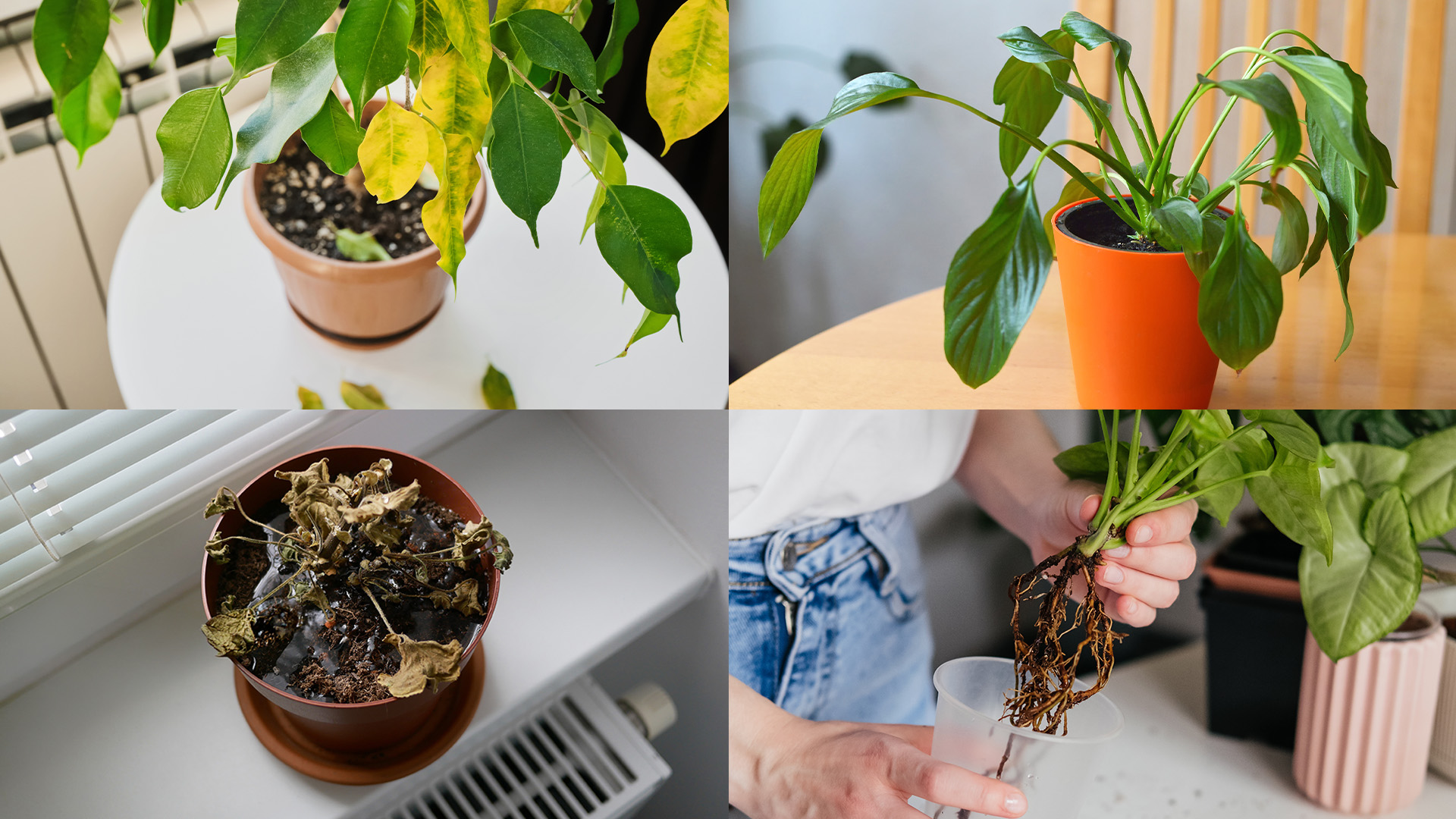
How to Tell If a Plant Is Overwatered
Before deciding how to respond, it helps to first determine whether overwatering is actually the issue. Instead of focusing on one symptom, look at the plant as a whole and compare several signs together.
Look at soil moisture first
Soil condition is one of the best clues. If the soil is consistently wet, that changes how yellowing, drooping, or leaf drop should be interpreted. Wet soil does not automatically prove overwatering, but it gives important context.
Check leaf texture, not just color
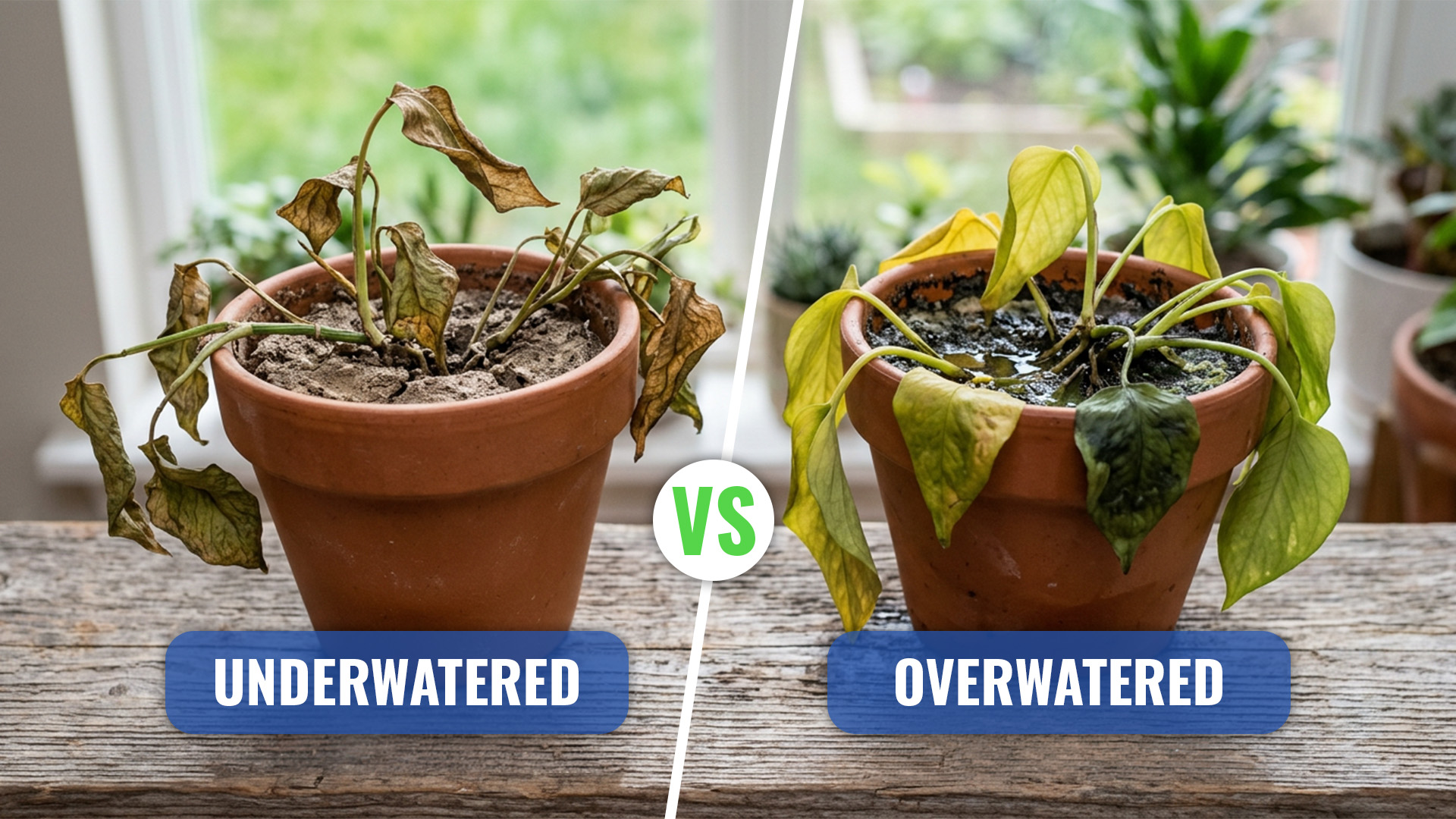
Color often gets attention first, but texture can be more revealing. Soft, limp leaves often point more toward overwatering. Dry, crisp leaves more often suggest underwatering.
Pay attention to symptom combinations
Diagnosis becomes much more reliable when several signs appear together. Yellow leaves plus wet soil plus soft stems suggest overwatering more strongly than yellow leaves alone. If the soil is wet and roots smell sour or look dark, overwatering becomes even more likely.
If signs conflict, check both soil moisture and root condition before assuming. The goal is not to find one perfect clue, but to notice a pattern that makes sense.
Overwatering vs Underwatering: How to Tell the Difference
This is one of the biggest reasons people get stuck. Some symptoms overlap, especially drooping and leaf discoloration, so it helps to compare the full picture side by side.
|
Sign |
Overwatered Plant |
Underwatered Plant |
|
Leaf texture |
Soft, limp, mushy |
Dry, crispy, brittle |
|
Soil |
Wet, soggy, waterlogged |
Dry, light, pulling away |
|
Drooping |
Soft droop |
Dry, collapsed droop |
|
Leaf color |
Yellowing common |
Browning or crisping common |
|
Stem/root condition |
Soft, rotting possible |
Dry, shrunken possible |
Why the confusion happens
Drooping and yellowing can happen in both cases, which is why so many plant owners second-guess themselves. The difference usually becomes clearer when you compare symptoms together rather than in isolation. Soil moisture and leaf texture are often the most helpful pairing.
If your plant shows mixed signals, checking both soil moisture and root condition can help you confirm whether overwatering is actually the cause.
Why Overwatering Causes These Symptoms
Understanding the mechanism helps make the symptoms easier to interpret. This is where overwatering becomes more than just “too much water.”
Roots need both water and oxygen
Healthy roots do not just need water. They also need oxygen. Good soil holds both moisture and small air pockets, and those air pockets matter more than many people realize.
What happens when soil stays too wet
When soil stays saturated, those air pockets can fill with water. As that happens, roots may not get enough oxygen to function normally. Over time, root stress can build, and in more serious cases, root rot may begin.
How root stress shows up above ground
Once roots are stressed, the rest of the plant often starts showing it. Leaves may yellow, the plant may droop, stems may feel softer, and growth may slow down. In more advanced situations, you may notice foul-smelling roots, mold, or major decline.
That is why wet soil matters so much in diagnosis. It helps explain why a plant can look thirsty even when it has had too much water.
FAQ: Signs of Overwatering Plants
How can you tell if a plant is being overwatered?
A plant may be overwatered if the soil stays wet, the leaves feel soft or limp, and symptoms like yellowing or drooping appear together. The clearest diagnosis usually comes from looking at soil moisture and leaf texture at the same time.
What does overwatering look like?
It often looks like yellowing leaves, soft drooping, wet soil that does not dry out, mushy stems, or signs of root stress. In more advanced cases, mold or a sour smell may also appear.
Are yellow leaves always a sign of overwatering?
No. Yellow leaves alone do not confirm overwatering. They are more meaningful when paired with wet soil, soft leaves, drooping, or other signs of root stress.
How do you know if it’s overwatering vs underwatering?
The most helpful comparison is soil and texture. Overwatered plants often have wet soil and soft leaves. Underwatered plants more often have dry soil and crispy leaves. Looking at both together usually gives a clearer answer.
Can plants die from too much water?
Yes. If soil stays saturated long enough, roots may lose oxygen, become damaged, or develop rot. Severe overwatering can lead to major decline over time, which is why early diagnosis matters.
Can plants recover from overwatering?
Recovery can depend on how severe the root damage is and how early the problem is recognized. That is one reason diagnosis matters so much. Understanding whether overwatering is actually the issue helps you make better next-step decisions.
Final Thoughts
The signs of overwatering plants can be easy to misread at first, especially when symptoms overlap with underwatering or other plant stress. Yellowing, drooping, soft leaves, and wet soil all matter, but they make the most sense when interpreted together rather than one at a time.
If the symptoms still feel unclear, evaluate the soil and roots before assuming overwatering is the cause. Correct diagnosis comes first. Recovery decisions come second.
Homeowners in Jefferson City, Columbia, Lake Ozark, and surrounding Mid-Missouri areas can turn to WestCo Outdoor Services for help with outdoor plant stress, watering concerns, and professional landscaping services that support overall landscape health. Reach out today for a free consultation.